
Practical, honest guidance for households and detailers — no fluff, no filler, no false promises.

GSM is the single number that tells you the most about a cloth before you buy it — here's how to actually read it.

The difference isn't marketing — it's fibre geometry. Here's what's actually happening at a microscopic level.
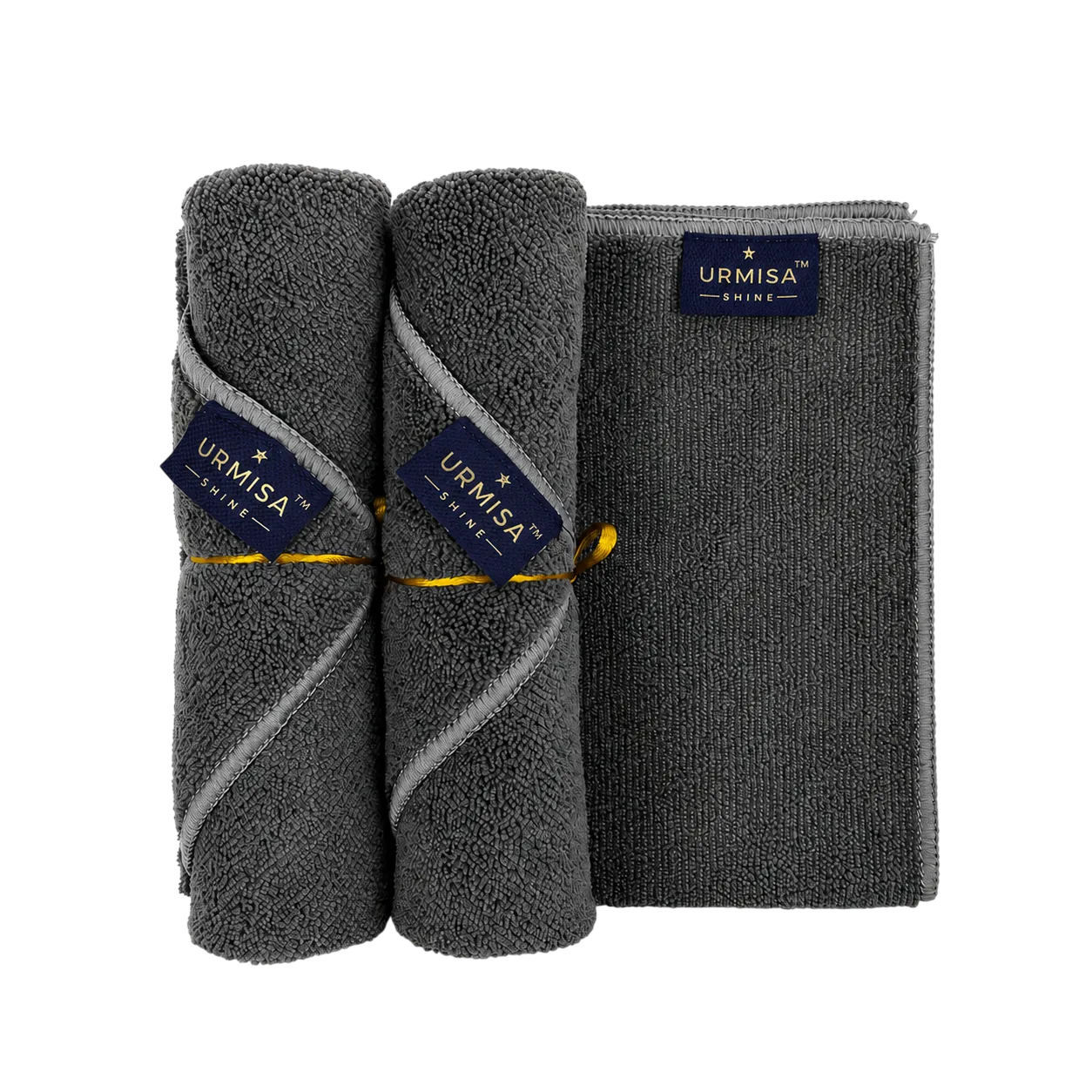
One habit separates a wash that protects your paint from one that quietly scratches it, wash after wash.
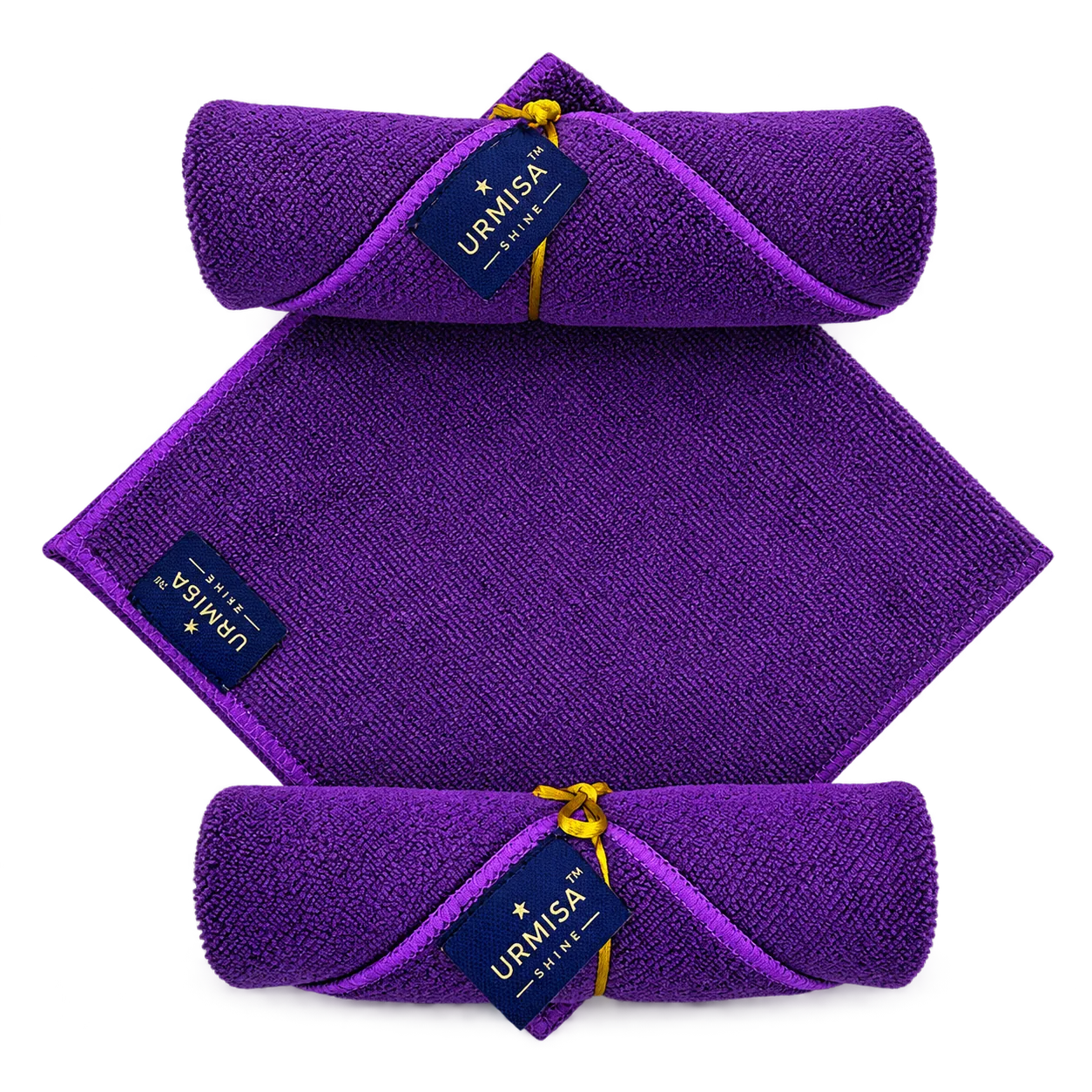
No hose, no bucket, no problem — here's how to keep your car presentable between full washes without risking the paint.
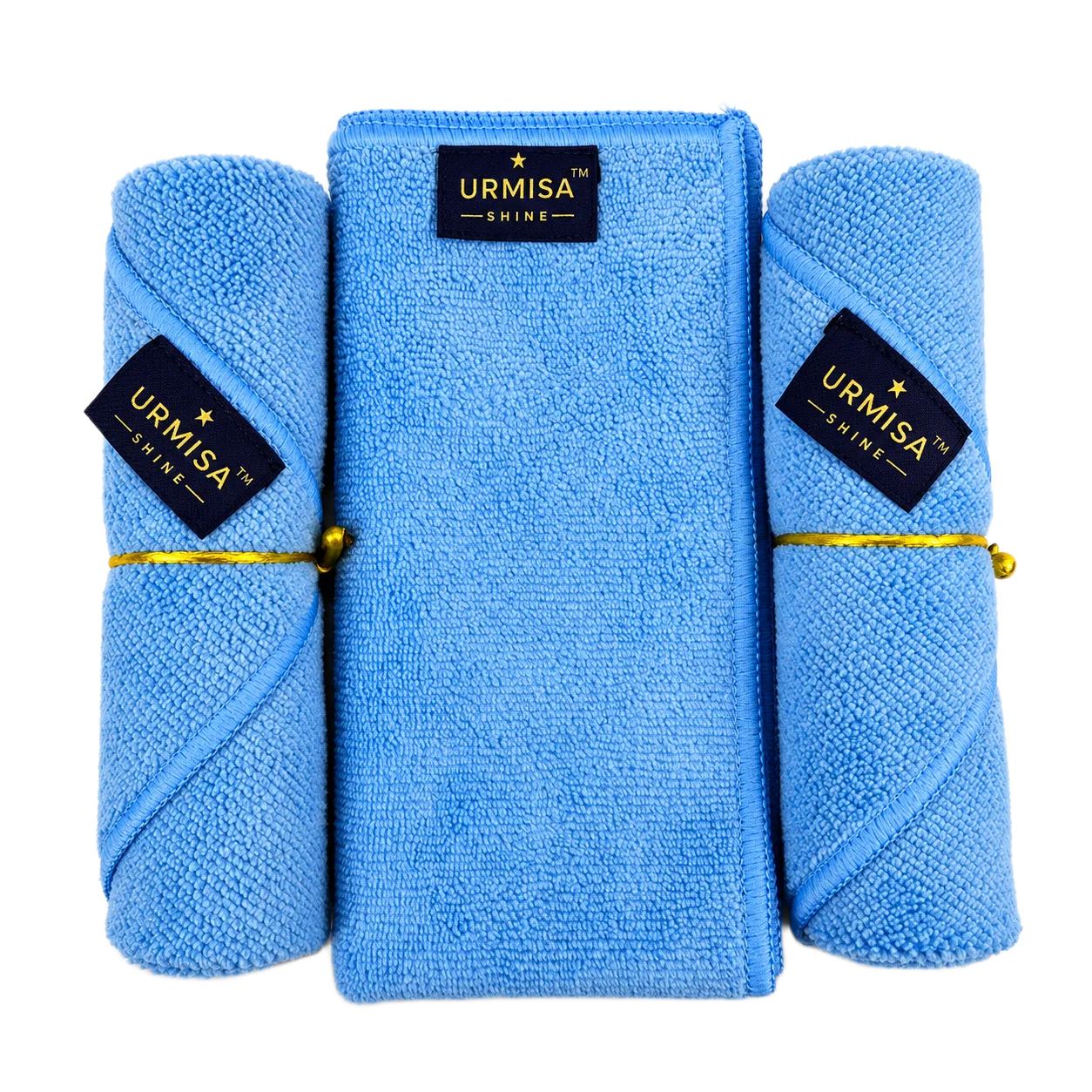
Streaky glass usually isn't the cleaner's fault. It's almost always the towel.
Modern screens are more delicate than they look. A few wrong habits can leave permanent marks.

Most everyday cleaning doesn't need a chemical at all — it needs the right cloth and a little water.
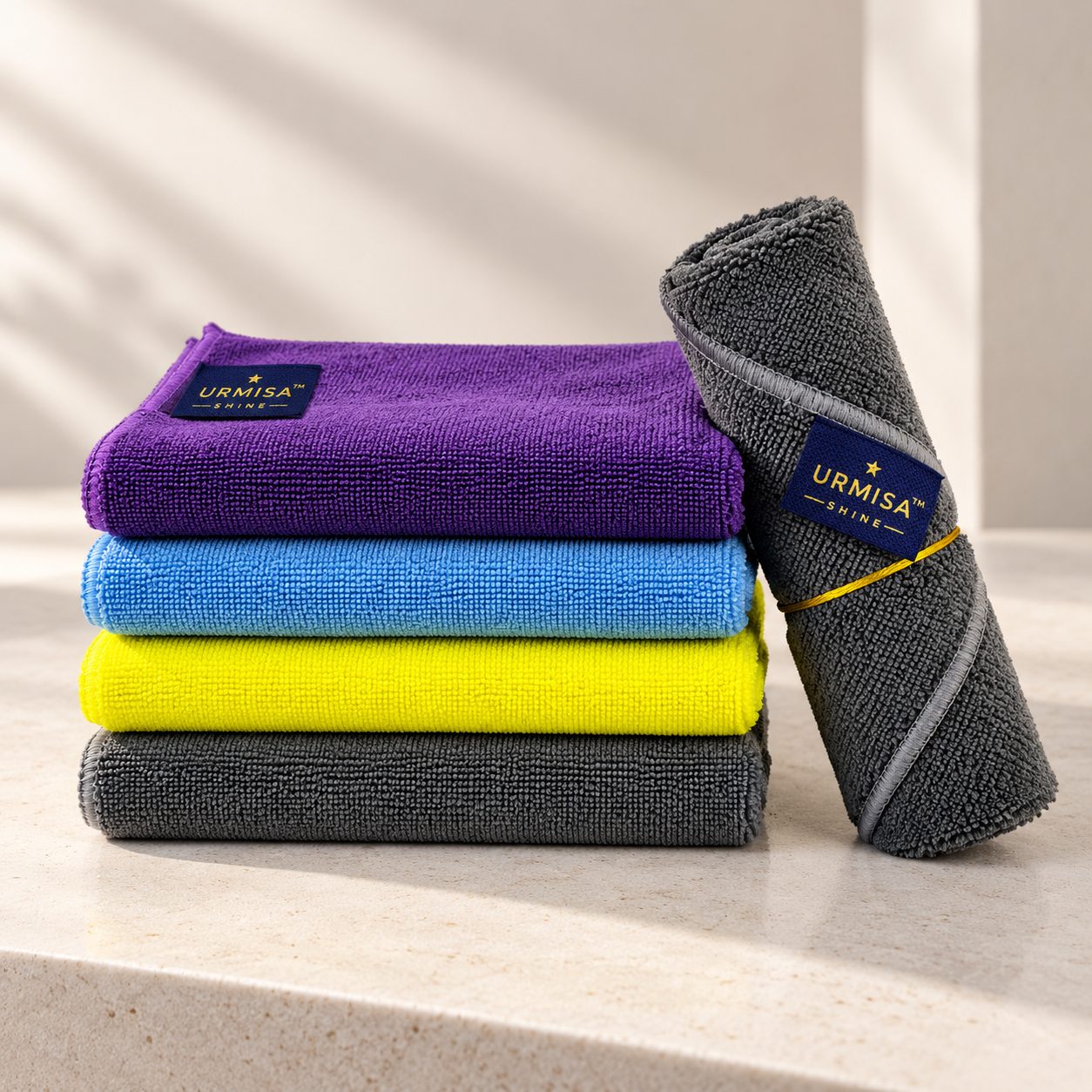
One simple system, and you'll never accidentally clean your dining table with the cloth you used on a bathroom tap.
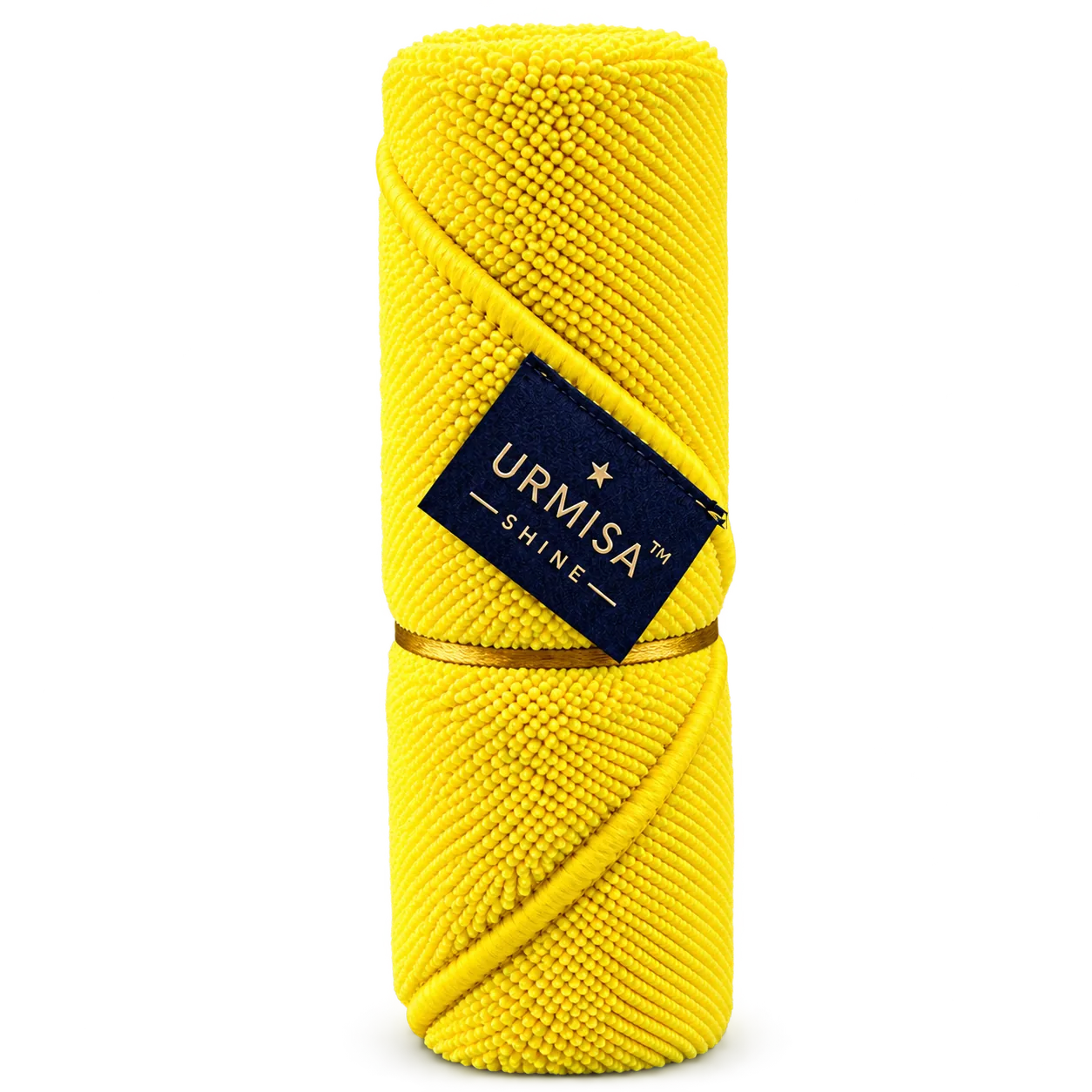
Most microfiber towels don't wear out from use — they're destroyed in the laundry.

A simple, repeatable order of operations for a proper weekend detail — without missing the steps that actually protect the car.

A ₹99 pack of cloths and a genuine microfiber towel are not the same product wearing different price tags.
A look under the hood at the fibre architecture that decides whether a cloth actually cleans, or just moves dirt around.
Both are genuinely excellent — for different jobs. Here's how to pick without over- or under-buying.
Monsoon brings its own cleaning challenges — muddy floors, foggy glass, damp surfaces that never seem to fully dry.
A simple comparison of what actually gets thrown away over a year, with paper towels versus a proper microfiber cloth.